

 A tenant who is assaulted in a stairwell, hurt in a poorly lit parking lot, or injured during an altercation on shared property can turn a routine tenancy into a courtroom dispute over who bears responsibility. When a premises liability claim lands on a property owner’s desk, the outcome often hinges on documents that were signed months or even years before the incident ever happened.
At Fahl & Donaldson, PLLC, we defend apartment complex owners and property managers against claims tied to apartment complex negligence and inadequate security. One of the most overlooked tools in these cases is the lease agreement itself, which can establish what the owner knew, what security measures were promised, and whether a resident’s own conduct contributed to the harm.
How Lease Language Shapes a Defense
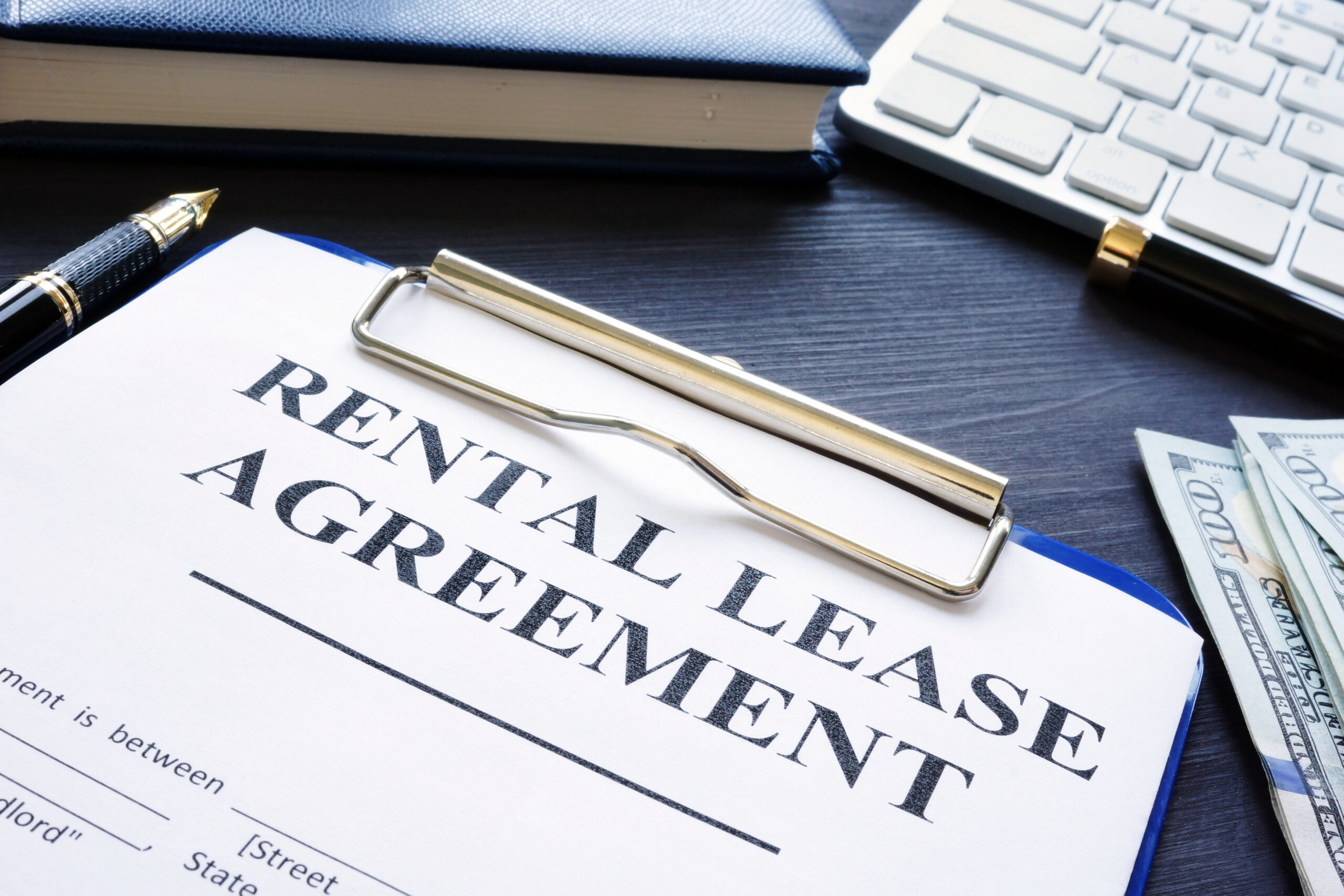
A lease agreement does more than set rent and move-in dates. It defines the relationship between an owner and a resident, and that relationship carries legal weight once an injury occurs on the property. Courts often look to the lease to determine what a landlord actually promised regarding security, maintenance, and shared spaces, and whether the landlord met that standard.
Clear lease terms can also limit a plaintiff’s ability to claim they were unaware of property rules or safety expectations. If a lease outlines a resident’s obligation to report broken locks, malfunctioning gates, or suspicious activity, and the tenant never did so, that omission can support an argument that the owner lacked notice of the specific hazard that led to the incident. Lease terms addressing guest access and after-hours entry can carry similar weight when an assault involves someone who was not a resident.
Building a Lease That Supports a Stronger Defense
Owners who want their lease agreements to hold up in a premises liability dispute should review several provisions before a claim ever arises. A well-drafted lease should address maintenance responsibilities, reporting duties, and the scope of any security services actually offered on the property, rather than implying protections that were never in place.
The following provisions are worth reviewing closely, since gaps in these areas are often where plaintiffs’ attorneys will look first:
- Notice provisions: Require residents to report hazards, broken locks, or security concerns in writing and within a set timeframe.
- Common area disclaimers: Clarify what security measures, if any, are provided in shared spaces such as parking lots, hallways, and pool areas.
- Indemnification clauses: Outline how liability may be allocated when a resident’s guest or invitee is involved in an incident.
- Rules and regulations addenda: Incorporate updated safety rules by reference so they carry the same weight as the lease itself.
Reviewing these provisions with an attorney before a dispute ever arises gives an owner a far stronger position if a claim is later filed, and it can also reduce the likelihood that a claim reaches litigation at all.
Why Documentation Matters as Much as the Lease Itself
A lease agreement is only as useful in litigation as the records that accompany it. Maintenance logs, incident reports, and written communication with residents about repairs all work alongside the lease to show whether an owner acted reasonably given what they knew at the time. According to the Bureau of Justice Statistics, the number of violent victimizations reported nationally fell to 4.6 million in 2020, yet foreseeability still drives the outcome of nearly every negligent security claim, since courts examine whether prior incidents or complaints should have prompted additional precautions.
Owners who keep organized records of lease acknowledgments, repair requests, and resident notices are far better positioned to show a claim was neither foreseeable nor the result of ignored warnings. This is also where lease disputes and premises liability claims often intersect, since a poorly documented history on one issue can undercut a defense on the other. Coordinating lease documentation with any applicable insurance defense coverage early in a claim can also help owners avoid gaps between what the lease promises and what a policy actually covers.
Fahl & Donaldson, PLLC Defends Property Owners Facing These Claims
A strong lease agreement paired with consistent documentation gives apartment complex owners a real advantage once a premises liability claim is filed. Attorney Glenn J. Fahl has tried more than 75 cases to verdict, and Fahl & Donaldson, PLLC has decades of combined litigation experience defending property owners against serious injury claims, including matters involving assaults and inadequate security allegations.
Our attorneys work directly with owners to review lease language, assess exposure before a claim is filed, and build a defense strategy grounded in the specific facts of each case. If your property is facing a premises liability claim or you want to strengthen your lease agreements before an incident occurs, reach out to our team to discuss your situation.