

When a bar or restaurant faces allegations of overserving an intoxicated patron who later causes harm, the outcome often hinges on the quality and nature of the evidence presented. These cases demand more than simple accusations; they require concrete proof that visible signs of intoxication were present and observable at the time of service. Understanding what constitutes admissible evidence and how it can be challenged becomes the cornerstone of mounting an effective defense.
At Fahl & Donaldson, our attorneys understand the nuanced evidentiary requirements in dram shop litigation. We work with Houston-area establishments to examine the facts, scrutinize the plaintiff’s claims, and build comprehensive defenses grounded in Texas law. When your business reputation and financial stability are at stake, having experienced legal counsel can make all the difference in protecting your interests.
Proving Visible Intoxication Requires More Than BAC Results
The central question in most dram shop cases is whether the patron displayed visible signs of intoxication that would have alerted a reasonable server to stop serving alcohol. Blood alcohol content results alone rarely satisfy this burden. Texas law requires evidence that the patron exhibited observable impairment, such as slurred speech, unsteady gait, aggressive behavior, or difficulty maintaining balance.
Challenging intoxication claims begins with scrutinizing the plaintiff’s evidence. Breathalyzer or blood test results taken hours after service ended may not reflect the patron’s condition while at your establishment. Expert testimony from toxicologists can demonstrate how alcohol absorption rates vary based on factors like food consumption, body weight, and the time elapsed between drinks. If the plaintiff cannot produce witnesses who observed visible impairment during service, their case weakens considerably.
Surveillance Footage and Witness Testimony Carry Significant Weight
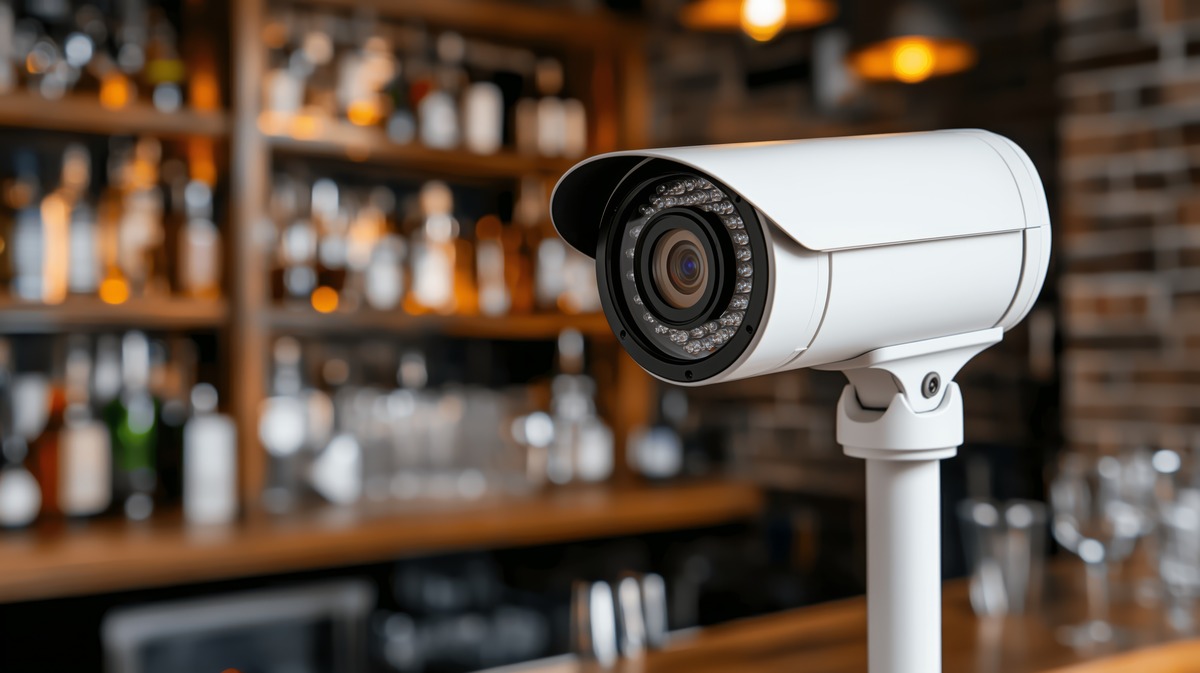
Video evidence from security cameras often proves decisive in dram shop cases. Footage showing a patron walking steadily, conversing normally, and displaying no obvious signs of impairment directly contradicts claims of visible intoxication. Defense attorneys review this footage frame by frame, documenting the patron’s behavior at various points throughout their visit. When combined with witness statements from servers, bartenders, and other patrons, surveillance evidence can dismantle a plaintiff’s narrative.
However, the absence of video evidence does not doom a defense. Staff members who served the patron can provide detailed accounts of their observations, describing lucid conversations, normal behavior, and the absence of any red flags that would have prompted service refusal. The key is consistency, with multiple witnesses corroborating the same observations create a compelling defense narrative that challenges the plaintiff’s version of events. Receipt evidence showing reasonable service patterns can further support claims that the establishment acted responsibly.
Safe Harbor Protections Require Documented Training Compliance
Texas dram shop law provides a powerful defense mechanism for establishments that can demonstrate proper employee training. If your business requires all servers to complete a Texas Alcoholic Beverage Commission-approved seller training program and can prove the accused employee attended, you may qualify for safe harbor protection. This defense shifts the burden dramatically, requiring plaintiffs to prove that you directly or indirectly encouraged employees to violate the law.
Documentation becomes critical for this defense. Maintaining records of training completion, attendance rosters, and certification dates for every staff member creates a paper trail that supports your case. Training materials showing clear policies against overservice, combined with evidence of consistent enforcement, strengthen the argument that your establishment prioritized responsible alcohol service. When plaintiffs cannot overcome this hurdle, their claims often fail before reaching trial.
Causation Challenges Can Break the Chain of Liability
Even when visible intoxication may be established, plaintiffs must still prove that serving alcohol caused the subsequent harm. This causation requirement opens several defense opportunities. If the patron consumed alcohol at multiple locations before the incident, determining where visible intoxication first occurred becomes complex. Time gaps between service and the incident may suggest intervening factors contributed to the harm.
Defense attorneys examine alternative causes that may have broken the chain of liability. Did the patron consume additional alcohol after leaving your establishment? Did another party’s actions contribute to the incident? Was the harm caused by factors unrelated to intoxication? These questions force plaintiffs to demonstrate a direct link between your service and the resulting injuries, a burden that becomes increasingly difficult with each potential intervening cause.
Understanding Texas Notice Requirements Protects Your Rights
Texas dram shop claims carry strict procedural requirements that defendants can use to their advantage. Plaintiffs must provide notice of their claim within specific timeframes, and failure to comply can bar the lawsuit entirely regardless of its merits. Understanding these technical requirements allows establishments to identify and assert procedural defenses early in litigation.
The statute of limitations for dram shop claims differs from general negligence cases. Missing these deadlines or failing to follow proper notice procedures gives defense attorneys grounds to seek dismissal before reaching the merits of the case. When combined with substantive defenses challenging the evidence of intoxication and causation, these procedural protections create multiple layers of defense for accused establishments.
Contact Fahl & Donaldson for Comprehensive Dram Shop Defense
Defending against dram shop claims requires thorough evidence gathering, strategic legal analysis, and aggressive advocacy. Our attorneys have successfully represented Houston-area businesses in complex dram shop litigation, leveraging every available defense to protect our clients from potentially devastating liability. We understand the insurance implications, the potential for substantial damages, and the impact these claims can have on your business operations.
If your establishment faces a dram shop lawsuit, immediate action is essential to preserve evidence and build your defense. Contact our office to discuss your case and learn how we can help protect your business interests.